

The split
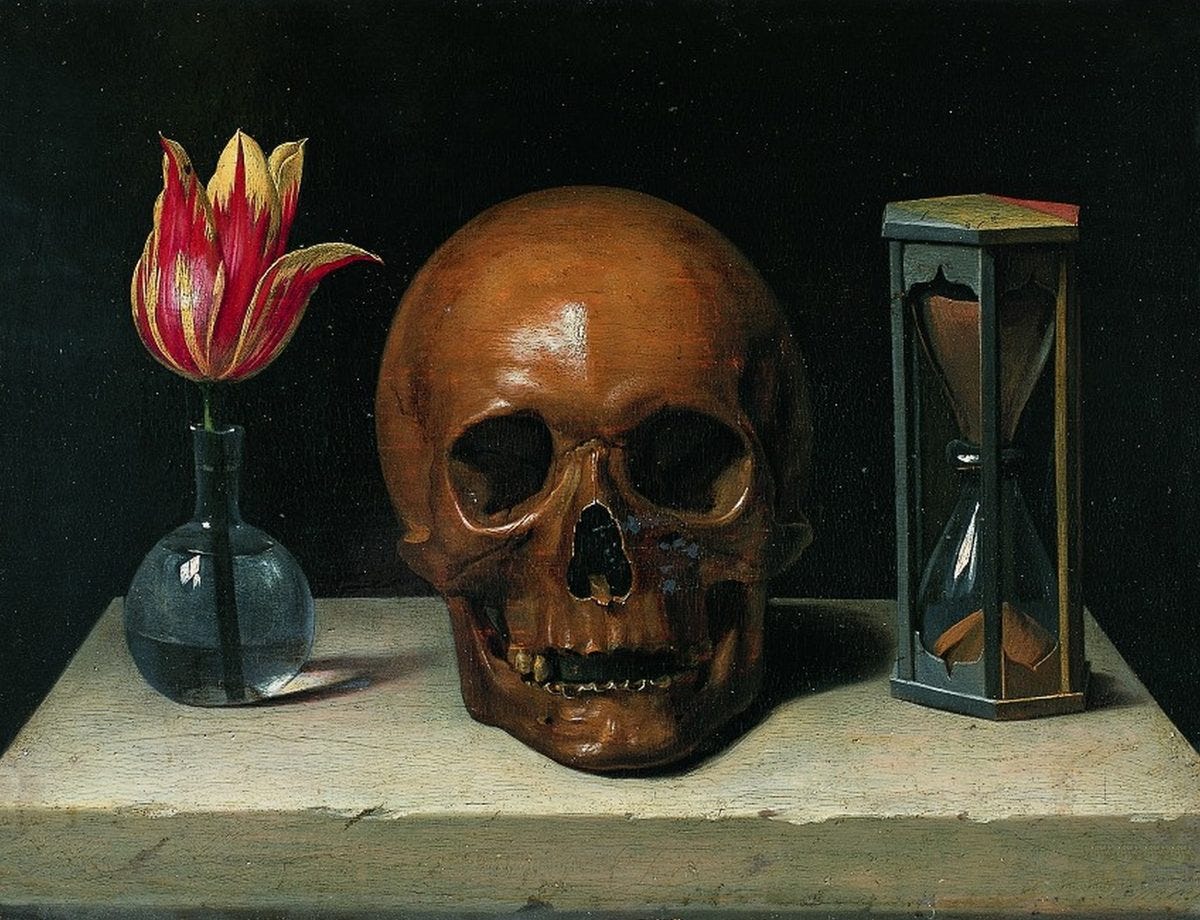
Man is a peculiar creature. He has a god-like ability to create, yet he is trapped in an animal body that defecates, ages and slowly breaks down, a body he struggles to bend to his will. He was born without his consent, and one day he will die the same way. His mind refuses to accept that it belongs to something so fragile. The anthropologist Ernest Becker, in The Denial of Death, argues that this split is the root of both human drive and human anxiety.
“This is the paradox: he is out of nature and hopelessly in it; he is dual, up in the stars and yet housed in a heart-pumping, breath-gasping body that once belonged to a fish and still carries the gill marks to prove it. His body is a material fleshy casing that is alien to him in many ways—the strangest and most repugnant way being that it aches and bleeds and will decay and die. Man is literally split in two: he has an awareness of his own splendid uniqueness in that he sticks out of nature with a towering majesty, and yet he goes back into the ground a few feet in order blindly and dumbly to rot and disappear forever.”
— Ernest Becker, The Denial of Death
To cope, people hide behind what Becker calls the vital lie. That lie is the personality: the habits, the sense of who you are and how you behave in the world. It was built in childhood, and it is vital because without it no one could function. This character armour is what protects us from the fear of death.
The causa sui project
Behind the armour, the god-like mind works to make itself immortal and leave a lasting mark on the world. It tries to become its own cause, which Becker calls the causa sui project, Latin for “cause of itself”. It is the attempt to become the author of one’s own existence and meaning, and so to outlive death through one’s work or name. People pursue it by living on through their children, their ideas, their religion or their work. Becker argues that the project is doomed from the start, because no one can truly create themselves and the body always dies in the end.
If Becker is right, what am I living for, if not the glory of my life’s achievements? And what is the point of them if I can’t make them live beyond my years? Everything I make in my life will break down and fall apart. To make my work as close to immortal as possible, I may need a philosophy to go with it, one that gives people a reason to maintain it.
I think people are pushed to take on the causa sui project without any guide or direction. People are not encouraged to build a family or to take care of the one they have; the common zeitgeist is to be independent, be your own boss, find your own path and give yourself purpose. This doesn’t mean the old path is gone: we still have families and communities that give people a reason for their existence. But what used to be the path less travelled has slowly become the one most people are encouraged to take. The paved path that people once followed (family, work and community) is not as strong as it used to be, and communities fragment more easily than they used to.
Hero systems
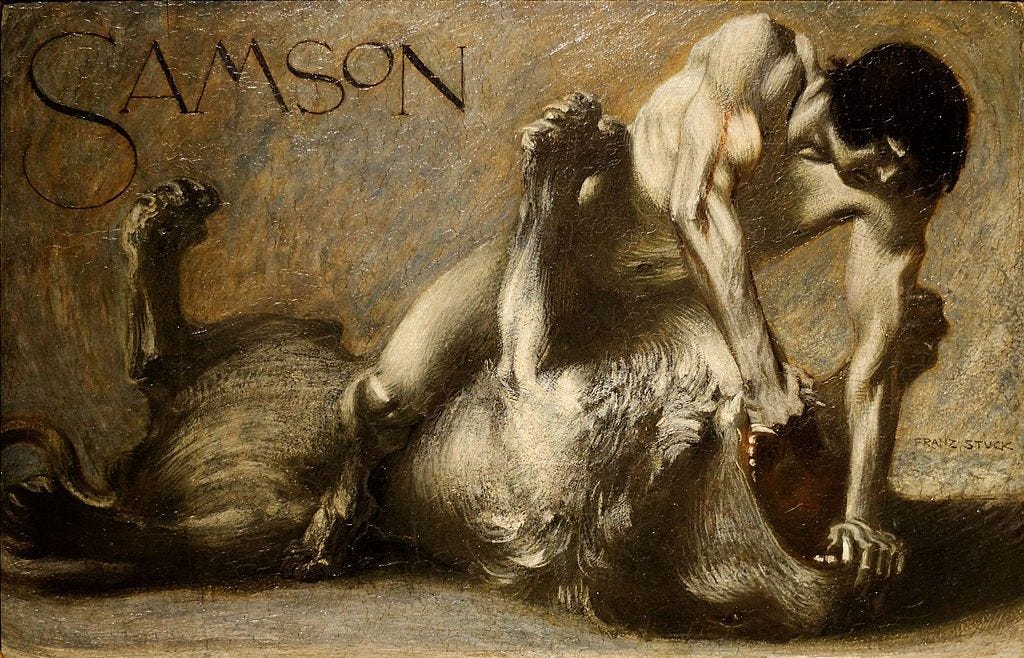
To escape the fear of death, people take up immortality projects that fill life with cosmic significance: the sense of being worth more than one’s default existence. One way to be immortalised is to be a hero and to be remembered. Societies build hero systems that promise some kind of immortality after the body is gone, and people strive to be heroes in whatever form their society offers, from warrior and saint to entrepreneur and influencer.
But when that system is too narrow, or shuts someone out, they may build their own, or cut themselves off from society entirely. Many hikikomori have withdrawn from a rigid path that left little room for failure. Hikikomori is a Japanese name for modern hermits: people who withdraw to their childhood rooms and refuse to build lives for themselves or participate in society. Some spend years within four walls building internet lives and private hero systems, while others seem to have stopped trying altogether.
At the other extreme is the young bodybuilder who would trade decades of life for a Mr. Olympia title. He has found his hero system in a subculture, and he wants the work he puts in to outlast him, even if it kills him.
Video: a bodybuilder who risks his life for a title
I would also like to be a hero in the way I choose, but there seems to be no clear path to that in my social life, and no reward for taking it.
Collapse, overcommitment and the normal man
Everyone takes up the causa sui project in one way or another, but not everyone handles it the same way: some collapse under it, some run from it, and some throw themselves at it. Becker argues that some people are so overwhelmed by the anxiety of death that they can barely act at all, refusing to take part in life. I would add the hikikomori who have stopped trying, and addicts who want to escape from life; both fit this pattern. At the opposite end, as I see it, are the workaholics caught up in the rat race, who suffer from the same anxiety. They fear not making a big enough impact on the world, and they overcommit to the project to drown out that fear.
In the middle stands the functional, normal man, who questions his existence no more deeply than his vital lie allows. This self-deception is what makes a normal life possible: the normal man sees himself as important, even necessary, to the functioning of everything around him. Becker doesn’t think the normal man has escaped the problem; his armour simply holds.
Religion and the romantic lover
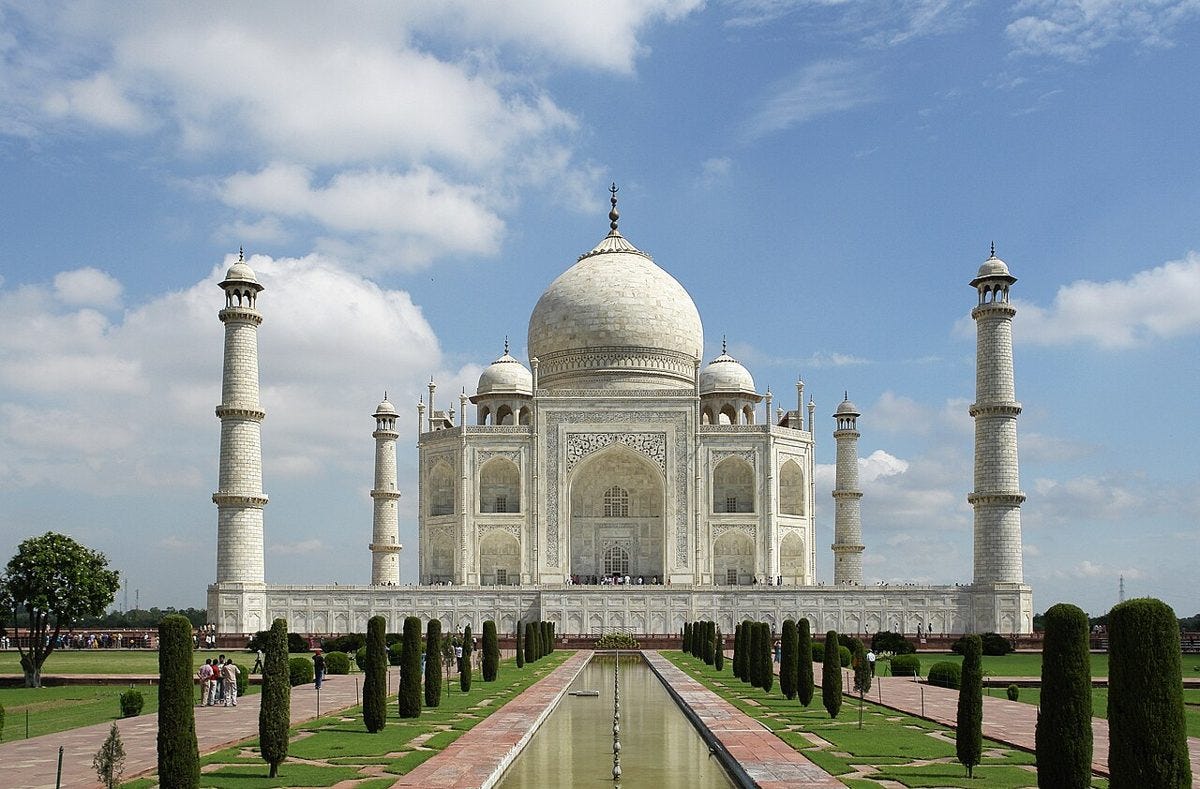
Religion is the oldest and most lasting hero system of all, usually offering a moral system along with it, a path that shows people their life has greater importance. But not all of us take part in a religion, and religious or not, many people have turned to another hero system: the romantic lover, someone to be a hero for. People have held their lover up high and called them the reason for their existence. Poems, songs and works of literature have been written to express that love. But this goes both ways: people want a hero who rescues them, and whom they can save, heal and “tame” in return. This theme appears often in best-selling romance novels written for women. The Taj Mahal became Shah Jahan’s immortality project, built to show his worship-like love for Mumtaz Mahal, and it has stood for centuries after their deaths.
Becker, drawing on the psychoanalyst Otto Rank, argues that the romantic lover has replaced religion as the reason to live. Even the language we use for a partner, “my angel”, “my everything”, reflects this. But no human can bear that pressure. Over time, the one who worships may grow uncomfortable worshipping a flawed human, and the one who is worshipped may come to resent being put on a pedestal despite all their flaws. Because love has taken on this worship-like status, anything less is hard to accept, and after a separation the lover often loses the ability to function and falls into despair.
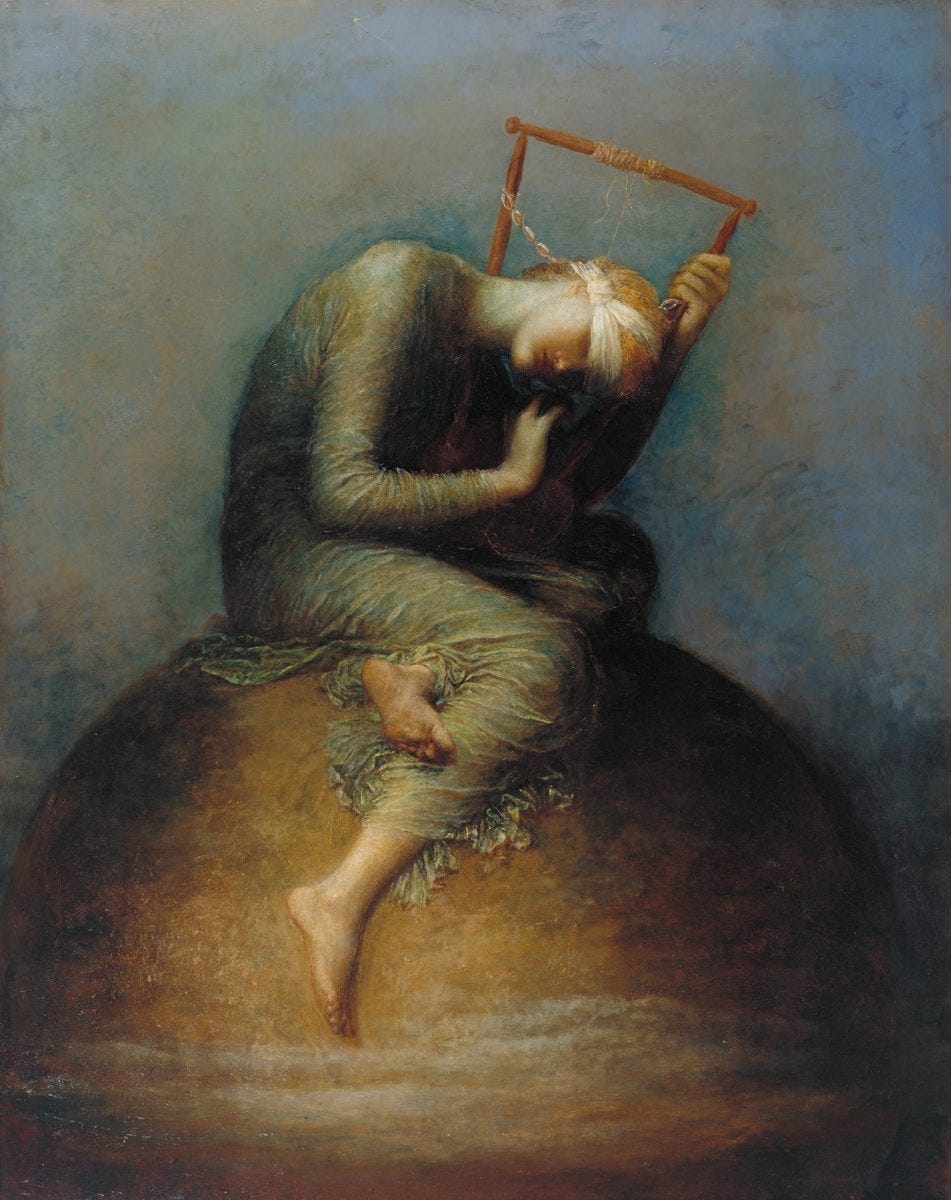
The religious path seems to be the best one to build a life on. Most major world religions are more than 1,000 years old, and they have stood the test of time as foundations for societies and lives, protecting people from the corruption and instability of living for a single person, their lover. The preachers are another matter: they can be corrupted and form personality cults. I would imagine most non-religious people like me cannot convince themselves of a religion overnight. They may need religion and its abstract hero system, but they also need the community around it, to call people to be heroes and to honour them when they are. Without the community, a man is a hero to nobody, and alone.
Known, remembered and missed
I am not a normal man. My armour doesn’t hold. I struggle to exist and be at peace. I want to make something that lasts a lifetime and beyond. I often say that the only legacy most people can leave behind is their children and the memories those children have of them. All the work around us in the city was done by people who are long gone and lost to time. If you still have a job when you die, you will be replaced within months, and your social circle, being people around your age, will forget you soon after. It is not reasonable to expect people, places or the universe to dwell on your existence. But knowing this certainly gives people anxiety, and knowing how the story ends doesn’t make the living any easier.
The people who built the city may be forgotten, but the city still stands; their work has rippled out far beyond their lives. We pass by all of it as if it were owed to us, without stopping to appreciate the people who made our lives better, or to think that the work and the workers deserve our gratitude. Maybe that’s why we want to be heroes: to be appreciated and remembered. But maybe that is not enough. It is not comforting to imagine strangers enjoying something great I may have built, grateful without ever knowing I was here. I want to be remembered the way Shah Jahan and Mumtaz Mahal are remembered, Shah Jahan for his work and Mumtaz Mahal for being loved, not like the thousands of nameless workers who built the Taj Mahal. I want the certainty that I have made myself immortal. I want the certainty that I will be known, remembered and missed, the way a child misses their parents.
Then there is the saying, “it’s about the journey, not the destination.” People often say it when they reach a goal and find it underwhelming, as if the reward wasn’t worth the effort. It suggests that the effort is itself the reward. But what if the effort is painful and unrewarding, and the ending is short and abrupt, with no explanation of why? This is life laid bare, seen without the rose-tinted glasses of optimism. A man is brought into life and forced to contemplate the reason for it. Even after he finds that reason, he is driven to make his efforts permanent and to prove that his life matters. That requires a healthy dose of self-importance: he must believe he is the special one, unique in his existence.
A path to matter
Becker’s answer is to face the terror honestly and accept a faith, or a cosmic heroism, that we cannot create for ourselves. It means exploring the anxiety of being mortal and forgotten, and finding something bigger than yourself to dedicate your life to.
“The most that any one of us can seem to do is to fashion something—an object or ourselves—and drop it into the confusion, make an offering of it, so to speak, to the life force.”
— Ernest Becker, The Denial of Death
Maybe some of the workers who built the Taj Mahal wanted the same thing I want. But maybe it is impossible to ask to be remembered and made immortal like Shah Jahan and Mumtaz Mahal. Most people, though, are content to be wanted, loved and missed by a few. After all, Mumtaz is remembered only because she was loved.
People often try to be heroes just to be accepted by a community that doesn’t fulfil their needs. Maybe the hikikomori are escaping the narrow expectations their society has put on them, and they want a less competitive path, one with room for failure, where they can still be useful and wanted by others. If we can’t promise immortality, we can at least offer people a path to make their life matter. As Becker argues, people still have to take the leap of faith themselves. What I would add is that once they do, the path should not be pulled out from under them.
As for me? Maybe I am a normal man after all, one who wants to be special. I keep building, and I will keep searching for what I can offer, never certain that it will be enough.
A very existentially intense read! About Schmidt addresses this question with some laughs thrown in.
I loved your reflection on Mumtaz being remembered simply because she was loved. Why do you think the human desire to be loved is so tightly tied to the fear of being forgotten? Also, among so many enduring love stories, what made the Taj Mahal feel like the defining example of immortality to you?was it the physical permanence of the monument itself, or the contrast with the unnamed workers who built it?